

How a Hospitality Consultant Adds Value to Your Hotel Project
Developing or repositioning a hotel is one of the most complex undertakings in the real estate and tourism sectors. Every decision carries long-term financial, operational, and reputational implications. With markets shifting, guest expectations evolving, and competition growing across every segment, owners and developers increasingly look to specialist hospitality consultants to reduce risk, validate strategy, and strengthen project performance.
A seasoned consultant brings proven industry insight, operational experience, and an objective commercial lens to ensure that your asset is viable, competitive, and built for sustainable long-term value. Whether planning a luxury resort, repositioning a boutique hotel, or resolving performance challenges in a mature asset, their role is to translate data, market intelligence, and practical knowledge into informed decisions.
Below are the key ways a hospitality consultant adds measurable value at every stage of the hotel lifecycle.
1. Turning Market Insights Into Strategic Direction
The starting point for any successful project is a realistic understanding of the market. Too many developments falter because the concept is based on assumptions rather than evidence.
A hospitality consultant carries out detailed market intelligence that typically includes:
- Segmentation and traveller behaviour analysis
• Competitor benchmarking and pipeline reviews
• Seasonality and demand forecasting
• Tourism drivers and macroeconomic influences
• SWOT and positioning analysis
This provides a clear picture of who will stay at your hotel, what demand patterns look like, and how you can compete effectively.
Why it matters
Hotels fail most often when they misjudge their market. A consultant ensures your strategy is grounded in real demand, not intuition.
2. Defining a Winning Concept and Brand Positioning
Once the market is understood, the next step is shaping the right concept. This is not simply about design; it is about aligning the product with the expectations of your target guest and the commercial reality of your location.
A consultant supports the definition of:
- Guest profiles and demand drivers
• Service level and hotel category
• Unique selling points
• Space allocation and functional planning
• Brand and operator alignment
Whether you are building a lifestyle-led boutique hotel or a resort focused on wellness, the concept must be differentiated, relevant, and financially viable.
Why it matters
Hotels with a clear, insight-led concept outperform generic products and achieve stronger market penetration from day one.
3. Creating a Robust Financial Model
A successful hotel balances guest experience with commercial strength. Financial modelling is where strategic vision meets economic reality.
Consultants develop detailed financial frameworks that include:
- Revenue forecasts by department
• GOP and NOI projections
• Operating cost structures
• Benchmarked development budgets
• Scenario planning and sensitivity analysis
• Investment returns and feasibility testing
These models guide investors, lenders, and operators, enabling early identification of risk before construction or refurbishment begins.
Why it matters
Accurate modelling protects owners from poor capital allocation, unrealistic expectations, and feasibility gaps.
4. Guiding Operator Selection and Contract Negotiation
Selecting the right operator is one of the most influential decisions an owner will make. Contracts often span decades, and the commercial terms significantly affect asset value.
A hospitality consultant brings industry knowledge and objectivity by supporting:
- Operator shortlisting
• RFP management
• Evaluation of commercial proposals
• Negotiation of key terms
• Alignment of brand standards with project vision
This ensures you choose a partner whose capabilities match your concept, market position, and financial goals.
Why it matters
A well-chosen operator unlocks revenue potential, protects asset value, and minimises long-term risk.
5. Optimising Layout, Design, and Space Efficiency
Great design is not only about aesthetics. It must enhance guest experience, operational flow, and revenue generation.
Consultants review architectural plans with an operator mindset, ensuring:
- Room mix maximises both ADR and occupancy
• FOH and BOH flows reduce inefficiencies
• F&B concepts match the market and operate profitably
• Meeting and events spaces are right-sized
• Spa, wellness, and recreation areas are commercially justified
• Support spaces and circulation work operationally
This avoids costly changes during or after construction and ensures that every square metre works hard financially.
Why it matters
Small design decisions create long-term commercial consequences. Efficient planning strengthens profitability for years.
6. Supporting Pre-Opening Strategy and Operational Setup
A hotel is only as strong as its opening. Pre-opening is a high-pressure phase that requires meticulous coordination.
Consultants help stakeholders implement:
- Critical path planning
• Pre-opening budgeting and controls
• Recruitment strategies and organisational structure
• Training programmes and SOP development
• Technology and systems planning
• FF&E and OS&E mobilisation
• Sales, marketing, and PR strategies
Their support helps ensure an on-time, on-budget opening with teams, systems, and standards fully prepared for guest arrival.
Why it matters
A disciplined pre-opening sets the foundation for first-year performance and long-term reputation.
7. Enhancing Operational Performance and Profitability
After the hotel opens, the objective is to optimise performance. Consultants conduct operational reviews to identify cost leakages, service gaps, and revenue opportunities.
Typical focus areas include:
- Guest satisfaction and service culture
• Revenue management and pricing
• Departmental productivity
• F&B performance and margin improvement
• Cost control and labour optimisation
• Asset maintenance and capital planning
Owners benefit from independent insight that identifies both immediate wins and longer-term strategic improvements.
Why it matters
Continuous improvement safeguards profitability and strengthens competitive advantage.
8. Reducing Risk and Protecting Your Investment
Hotel development and operation involve significant capital exposure. A consultant acts as your strategic safeguard by ensuring:
- Decisions are evidence-based
• Forecasts are realistic
• Risks are identified early
• Budgets remain controlled
• Long-term value is protected
This holistic approach gives owners confidence and clarity at every stage of the project lifecycle.
Final Thoughts
A hotel project is a major commitment, and navigating it without seasoned expertise increases risk across design, finance, operations, and commercial performance. Hospitality consultants bring clarity, structure, and real-world experience to help owners make informed, commercially sound decisions.
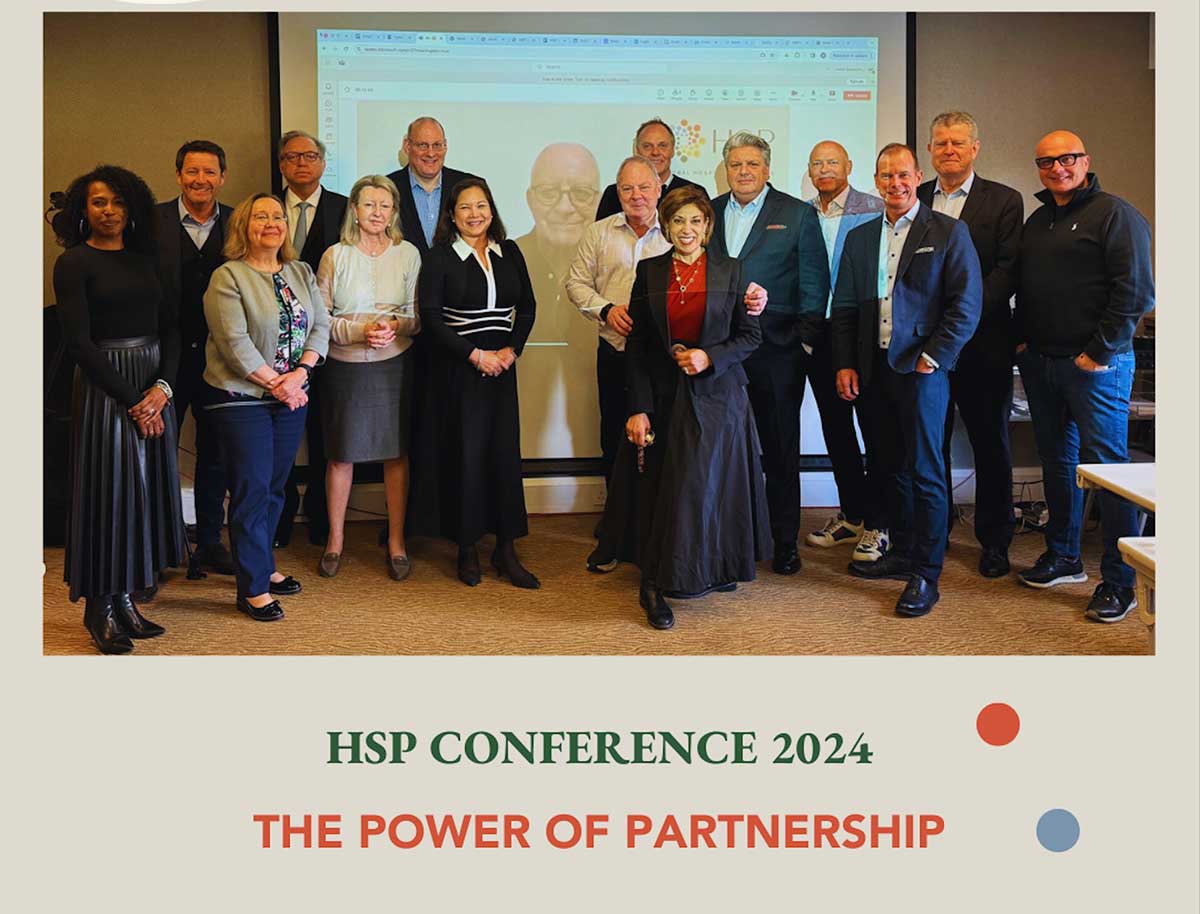
At HSP, our global team has supported developments and repositionings across every region and category. We act as trusted advisors, combining market intelligence, operational know-how, and strategic insight to ensure that every project is viable, competitive, and built for long-term success.
Whether you are planning a new development, upgrading an ageing asset, or looking to enhance performance, partnering with an experienced hospitality consultant can significantly improve your project’s outcomes.





Follow